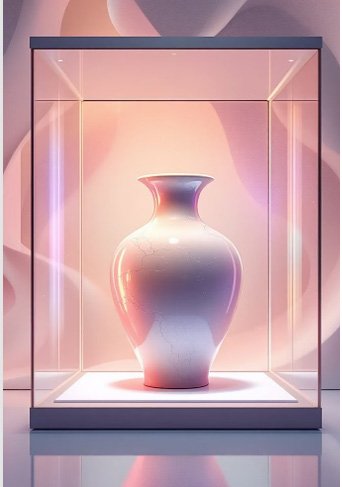


Preserving Our Heritage:
The Power of Low-Oxygen Display Cases
Safeguarding invaluable artifacts from the ravages of time and environment requires cutting-edge solutions. Low-oxygen, nitrogen-enriched display cases offer a museum grade approach to preventive conservation.
The Silent Threat: Why Oxygen Harms Our Treasures

Metal Corrosion
Oxygen aggressively reacts with metals like iron, copper alloys, and silver, leading to irreversible corrosion and structural damage.

Paper Degradation
Archival documents, manuscripts, and books suffer from yellowing, embrittlement, and loss of legibility due to oxidation.

Pigment Fading
The vibrant colors of textiles, dyes, and paints can fade significantly when exposed to oxygen, diminishing their historical and aesthetic value.

Organic Material Breakdown
Wood, leather, parchment, and cloth degrade, losing integrity and becoming more fragile. Oxygen also accelerates insect activity, as many pests rely on it for survival.

The Problem: Continuous Oxidation
In normal atmospheric conditions, where oxygen makes up approximately 21% of the air, a slow but relentless process of oxidation occurs. This silent chemical reaction acts as a constant threat, gradually breaking down the molecular structure of heritage materials.
Even when other environmental factors like light, dust, and physical handling are meticulously controlled, the oxygen within conventional display cases continues to contribute to material deterioration, demanding a more proactive preservation strategy.
The Solution: Nitrogen Enrichment
Revolutionizing Preservation
A cornerstone of museum-grade preventive conservation involves replacing oxygen with inert nitrogen gas. This innovative technique creates a low-oxygen (anoxic) microclimate, dramatically slowing degradation processes.
By reducing oxygen levels to a mere 0.1%–1%, the chemical reactions that cause oxidation are almost entirely halted, and biological threats such as insects are unable to survive without the necessary oxygen.

Global Adoption by Leading Institutions
This advanced preservation method is trusted and utilized by world-renowned cultural institutions to safeguard their most sensitive and valuable collections.
The British Museum
Renowned for its vast collection, the British Museum employs anoxic environments to protect its delicate papyri and ancient metals.
The Louvre
As a global icon of art and history, The Louvre utilizes these cases for vulnerable textiles and fragile historical documents.
Smithsonian Institution
Across its numerous museums, the Smithsonian deploys nitrogen-enriched cases for a wide array of artifacts, from early American flags to rare scientific specimens.
Key Benefits of Low-Oxygen Display Cases

Prevent Metal Corrosion
Achieve near-complete cessation of corrosion for metal artifacts, preserving their original state for centuries.

Extend Artifact Lifespan
Significantly prolong the life of paper, manuscripts, textiles, and other organic materials by halting oxidative degradation.

Eliminate Pests
Create an environment where insects cannot survive, offering a chemical-free and non-invasive pest control solution.

Stable Microclimate
Maintain a consistent internal environment, shielding artifacts from fluctuations in external gallery conditions.

Non-Invasive Preservation
Protect artifacts without the need for chemical treatments or physical alterations, preserving their authenticity.
Ideal for Highly Sensitive Collections
Low-oxygen display cases are particularly beneficial for artifacts that are rare, fragile, and of high intrinsic value, where traditional methods fall short.

Manuscripts & Archival Records
Protect fragile inks, pigments, and paper from fading and embrittlement, ensuring historical narratives remain intact.

Metal Artifacts & Coins
Prevent tarnishing and corrosion, preserving the intricate details and material integrity of precious metals.

Textiles & Costumes
Safeguard delicate fibers, dyes, and weaves from deterioration, retaining their original colors and structural integrity.
Wooden & Leather Objects
Preserve the organic composition of these materials, preventing cracking, shrinking, and biological infestation.
How the Technology Works

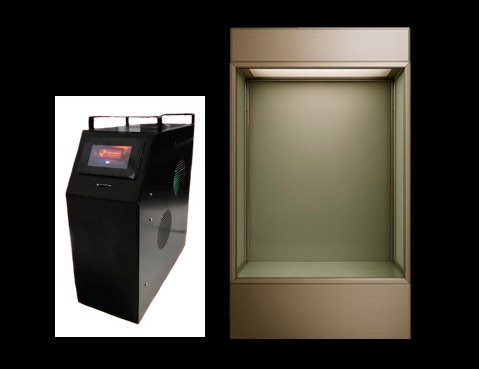
Airtight Engineering

Nitrogen Displacement

Sensor Monitoring

Automatic Control
This sophisticated system ensures continuous protection, operating seamlessly and silently to maintain optimal conditions without compromising the visual experience for visitors.
Under the Hood: Precision Control
Airtight Construction
Each display case is meticulously engineered with specialized seals and materials to achieve perfect airtightness, crucial for maintaining the anoxic environment.
Continuous Monitoring
Integrated, high-precision oxygen sensors constantly monitor the O₂ levels inside the case, providing real-time data on environmental conditions.
Oxygen Displacement
High-purity nitrogen gas is introduced into the case, effectively displacing the oxygen and creating a protective inert atmosphere around the artifact.
Automated Nitrogen Control
A dedicated control unit automatically regulates the flow of nitrogen, precisely maintaining the required low-oxygen environment with minimal intervention.
The Future of Preventive Conservation
Low-oxygen (nitrogen-enriched) display cases represent the pinnacle of modern preservation science. By creating a meticulously controlled, protective atmosphere, they dramatically slow the natural aging process and prevent irreversible damage to our most cherished artifacts.
This non-invasive, chemical-free methodology is not just a solution; it's a testament to our commitment to safeguarding global heritage for generations to come.